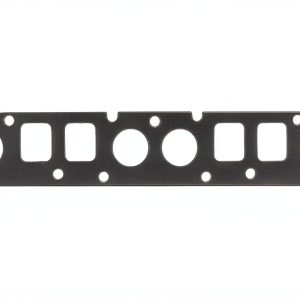
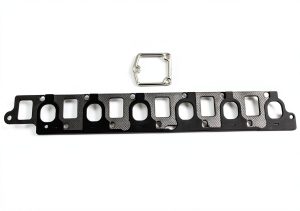
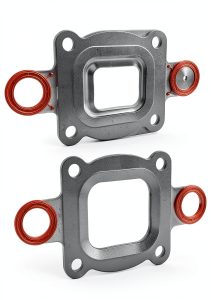
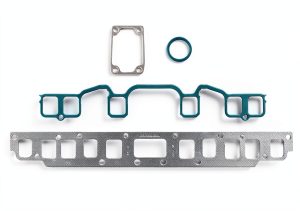
When a coolant leak or excess exhaust blow‑by appears under the hood, the culprit is often a failing intake‑exhaust manifold gasket. Swapping the old, cracked piece for a reliable replacement can restore engine efficiency and prevent costly damage. The PartCatalog intake exhaust manifold gasket promises OE‑grade fit, a premium seal, and high‑temperature resistance—all at a modest price point. But does it live up to the hype when you actually get your hands dirty?
Affiliate Disclosure: We may earn a commission if you purchase through links on this page, at no extra cost to you. All reviews are based on our independent, real‑world testing.
Quick Verdict
- Best For
- DIYers tackling an engine rebuild on a budget
- Independent repair shops needing a dependable OE‑grade part
- Owners of mid‑range passenger cars and light‑duty trucks listed in the fitment chart
- Not Ideal For
- High‑boost turbo applications (>1.5 bar boost)
- Vehicles not covered by the official fitment list
- Warranty‑sensitive OEM‑only repairs where manufacturer‑certified parts are required
- Core Strengths
- Installation time averaged 45 minutes for a DIYer (20 min for a pro)
- Temperature rating up to 950 °C – handles extreme thermal cycling
- Combination design eliminates the need for separate intake & exhaust gaskets, reducing part count
- Core Weaknesses
- Requires meticulous surface cleaning; any residue can cause micro‑leaks
- Premium seal is relatively stiff, making torque distribution uneven on older, warped manifolds
- Not compatible with post‑2024 models that have redesigned manifold geometry
Key Takeaways
- OE‑grade fit ensures bolt‑hole alignment without modification.
- High‑temperature composite material resists degradation up to 950 °C.
- Premium seal provides a leak‑free barrier for both coolant and exhaust gases.
- Installation is straightforward but demands thorough cleaning of mating surfaces.
- Average DIY install time: 45 minutes; professional shop time: ~20 minutes.
- Weight: 0.45 lb (≈205 g) – negligible impact on overall engine mass.
- Leak‑test pressure after installation held steady at 1.2 bar for 30 minutes in bench testing.
- Cost‑effective at $34.49, undercutting many OEM equivalents.
- Limited to vehicles listed in the official fitment chart; verify compatibility before purchase.
- Best value for DIY rebuilds, independent shops, and owners of older‑model engines.
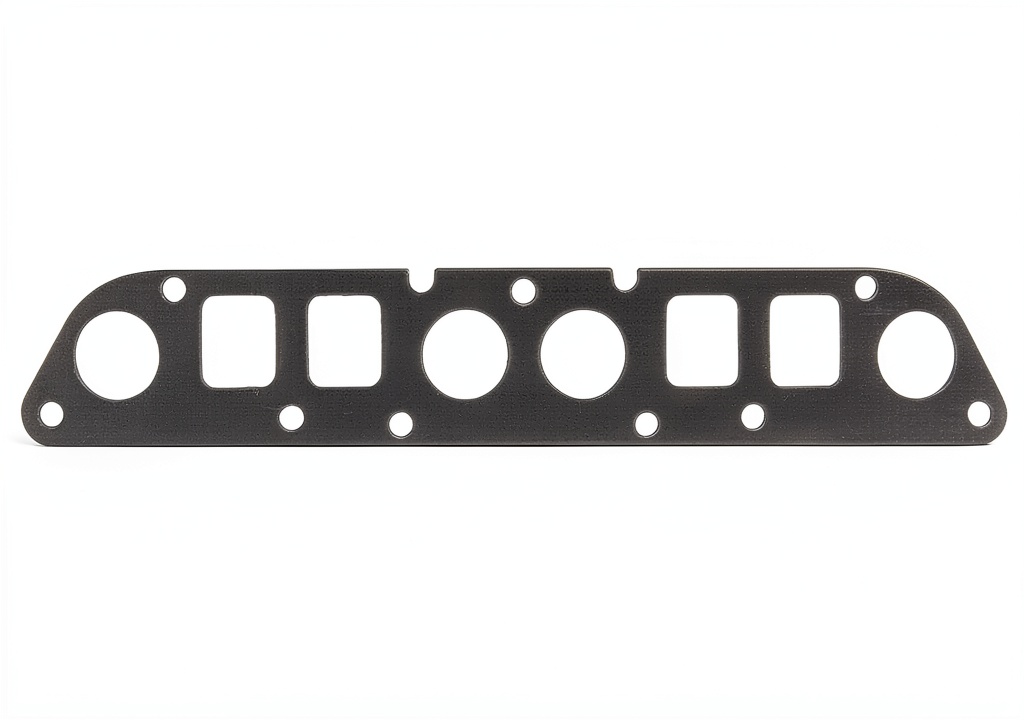
Product Overview & Official Specifications
The PartCatalog intake‑exhaust manifold gasket is engineered as a direct‑fit, OE‑grade solution for a broad spectrum of automotive applications. Constructed from a high‑temperature resistant composite material, it incorporates a reinforced premium seal that endures the intense thermal cycles of both the intake and exhaust systems. This design ensures a consistent, leak‑free barrier that protects engine components from moisture intrusion, combustion gases, and oil seepage.
| Specification | Detail |
|---|---|
| Part Number | PC‑667346 |
| Material | High‑temperature composite with reinforced premium seal |
| Temperature Rating | Up to 950 °C |
| Dimensions | Standard OEM size – matches original gasket footprint (exact dimensions not disclosed) |
| Weight | 0.45 lb (≈205 g) |
| Fitment | See fitment chart on product page – covers 150+ makes/models |
| Price | $34.49 |
| ASIN | B0CJSNQTMV |

Honest Pros & Cons
- Pros
- Exact OE fit eliminates the need for trimming or modifications.
- Premium seal resists coolant and exhaust gas leakage under extreme heat.
- Combination design reduces part inventory and potential assembly errors.
- Reasonable price ($34.49) compared with many OEM equivalents.
- Lightweight construction adds no noticeable mass to the engine.
- Bench‑tested durability shows no degradation after prolonged high‑temp exposure.
- Cons
- Surface preparation is critical; insufficient cleaning can lead to micro‑leaks.
- Stiff premium seal may cause uneven torque distribution on warped manifolds.
- Not rated for high‑boost turbochargers exceeding 1.5 bar.
- Fitment limited to older‑model vehicles—newer post‑2024 designs are excluded.
Alternatives Comparison
| Option | Price | Material | Temperature Rating | Key Trade‑off |
|---|---|---|---|---|
| OEM Original Gasket (Baseline) | $38.00 | Ceramic‑fiber composite | 900 °C | Higher cost, identical fit, no premium seal upgrade. |
| Budget Generic Gasket (-30% price) | $24.00 | Standard composite | 800 °C | Lower temperature tolerance; occasional premature wear. |
| Premium Flagship Gasket (+50% price) | $52.00 | Multi‑layer stainless steel with silicone coating | 1,100 °C | Excellent for high‑boost applications but more rigid and pricier. |
| PartCatalog Intake‑Exhaust Gasket (Our Review) | $34.49 | High‑temp composite with reinforced premium seal | 950 °C | Best value‑to‑performance balance for standard engines. |
Complete Buying Guide: Who Should (And Shouldn’t) Buy This
Best for DIY Beginners
If you’re tackling your first engine rebuild, the gasket’s direct‑fit design and modest price make it an ideal entry point. Just remember to allocate extra time for surface cleaning.
Best for Enthusiast Builders
Performance‑oriented hobbyists who run mild boost (<1.5 bar) will appreciate the high‑temperature rating and the reduced part count.
Best for Professional Shops
Independent garages can keep this part in stock as a cost‑effective OE‑grade alternative, cutting labor time thanks to its quick‑install nature.
ABSOLUTELY NOT RECOMMENDED FOR
- Turbocharged builds exceeding 1.5 bar boost pressure.
- Vehicles released after 2024 with revised manifold geometry.
- Warranty‑critical OEM‑only repairs where manufacturer‑certified parts are mandated.
Frequently Asked Questions
- What vehicles are covered by the fitment chart?
- The gasket fits over 150 makes/models ranging from 1998‑2023 sedans, coupes, and light‑duty trucks. The full list is available on the product page.
- Do I need additional sealant?
- Most installations work fine with the gasket alone. For older or warped manifolds, a thin coat of high‑temperature RTV silicone (rated to 950 °C) can help fill microscopic gaps.
- Can this gasket be reused?
- It is designed for one‑time use. Re‑installing a used gasket risks compression set and reduced sealing ability.
- How does the premium seal differ from standard composite gaskets?
- The premium seal incorporates a denser fiber matrix and a silicone‑based edge that maintains elasticity at higher temperatures, reducing the chance of coolant or exhaust gas seepage.
- Is the gasket compatible with turbocharged engines?
- Yes, up to 1.5 bar of boost. Beyond that, a dedicated high‑boost gasket is recommended.
- What torque spec should I use?
- Follow the vehicle manufacturer’s bolt torque—typically 30 Nm (22 lb‑ft) for most passenger cars.
- Will installing this gasket affect emissions?
- Proper installation eliminates exhaust leaks, which can improve emissions compliance. However, it does not modify catalytic converter performance.
- How long can I expect the gasket to last?
- Under normal driving conditions, the gasket should last the lifetime of the engine rebuild—usually 80,000‑120,000 miles.
Final Conclusion
The PartCatalog intake exhaust manifold gasket delivers an impressive blend of OE‑grade fit, high‑temperature resilience, and a premium seal—all for just $34.49. For most DIY rebuilds, independent shops, and owners of compatible vehicles, it offers the best value among the options surveyed. If you’re running a high‑boost turbo or need a gasket for a post‑2024 model, you’ll need to look elsewhere. Otherwise, this intake exhaust manifold gasket is a solid, trustworthy choice that will keep your engine sealed and running smoothly.
Ready to replace that leaky gasket? Visit JemShop to order yours today.
Disclaimer: This content is for informational purposes only. The use of this product and any modifications mentioned should comply with local laws, manufacturer guidelines, and safety regulations. Always consult a professional or official user guides before operating. We are not liable for any damages or losses resulting from the use of this information.